

How to Tell If You Have Meibomian Gland Dysfunction

How to Tell If You Have Meibomian Gland Dysfunction
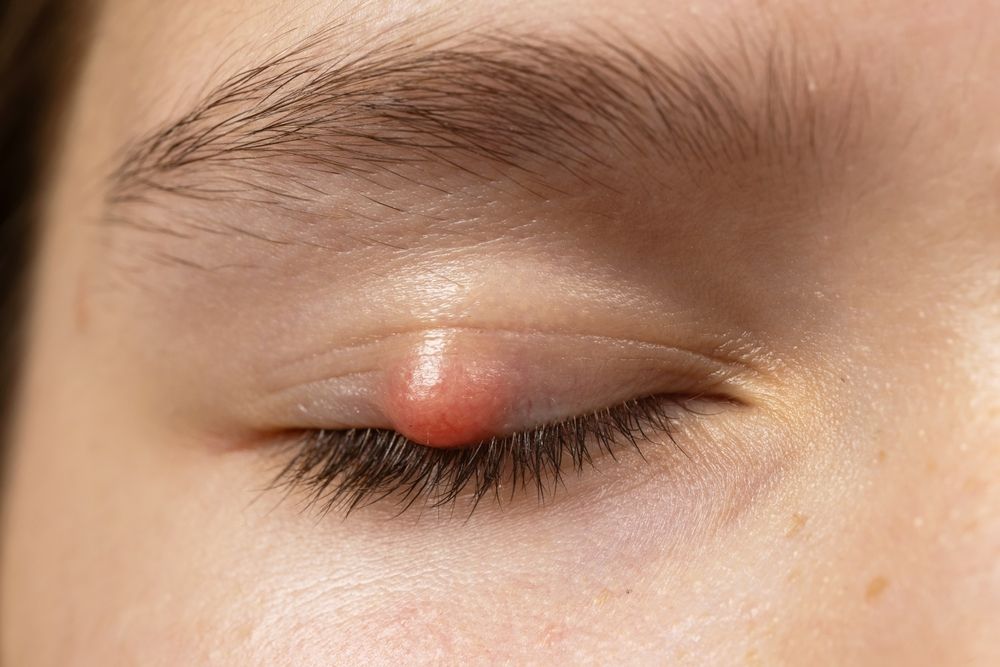
Chronic dry eye isn’t always caused by a lack of tears. In many cases, the problem lies in the oil-producing glands along the eyelids. Meibomian Gland Dysfunction (MGD) disrupts the tear film and is one of the most common causes of evaporative dry eye. Learning how to identify MGD can help you address the root cause of your symptoms and protect your long-term eye comfort.
What Is Meibomian Gland Dysfunction?
Meibomian glands are tiny oil-producing glands located along the edges of your eyelids. Their job is to release oil into your tears, which helps prevent tears from evaporating too quickly. When these glands become blocked or stop working properly, the oil layer of your tears is compromised. This leads to evaporative dry eye, the most common type of dry eye disease.
How MGD and Dry Eye Are Connected
MGD is one of the leading causes of chronic dry eye disease. Even if your eyes produce enough tears, poor oil quality or blocked glands can prevent those tears from staying on the surface of the eye. This creates a cycle of dryness, irritation, and inflammation that often worsens over time without proper treatment.
Common Signs You May Have MGD
MGD symptoms can vary, but many people experience one or more of the following:
- Dryness That Doesn’t Improve With Eye Drops: If you rely on artificial tears but still feel dry soon after using them, the problem may not be tear quantity - it may be tear quality. Without enough oil, tears evaporate too quickly to provide relief.
- Burning, Stinging, or Gritty Sensations: MGD often causes irritation that feels like burning or a sandy, gritty feeling in the eyes, especially later in the day.
- Blurry Vision That Comes and Goes: Fluctuating vision is a common sign of tear film instability caused by MGD.
- Red or Inflamed Eyelids: Blocked glands can cause inflammation along the eyelid margins, making the eyes appear red, swollen, or irritated.
- Watery Eyes: When tears evaporate too quickly, your eyes may overproduce watery tears that don’t solve the problem.
- Symptoms Worse With Screen Use: Extended screen time reduces blinking, which limits oil release from the meibomian glands. If your symptoms worsen during computer or phone use, MGD may be a contributing factor.
Why MGD Often Goes Undiagnosed
MGD can be difficult to identify without a comprehensive eye exam. Many patients assume their symptoms are just part of aging, allergies, or screen fatigue. However, untreated MGD tends to progress, making early diagnosis and management essential.
How MGD Is Treated
Treatment depends on the severity of gland dysfunction and your symptoms. Options may include:
- Advanced eyelid hygiene techniques
- Thermal therapies to warm and unblock glands
- In-office treatments designed to restore gland function
- Customized dry eye treatment plans
The goal is not just symptom relief, but improving the health and function of the meibomian glands themselves.
Schedule Your Dry Eye Evaluation Today
If dry, irritated eyes are interfering with your comfort or vision, Meibomian Gland Dysfunction may be the underlying cause. Because MGD is closely linked to chronic dry eye, identifying and treating it early can make a significant difference in long-term eye health and quality of life.
If you suspect you may have Meibomian Gland Dysfunction, schedule a consultation with Insight Eyecare to learn more about effective treatment. Visit our office in Las Vegas, Nevada, or call (702) 718-7163 to book an appointment today.


Interested in our
Services?
Request appointment with this form to schedule a time with our professional staff!


- Monday8:00 am - 5:00 pm
- Tuesday8:00 am - 5:00 pm
- Wednesday8:00 am - 5:00 pm
- Thursday10:00 am - 7:00 pm
- Friday8:00 am - 5:00 pm
- SaturdayClosed
- SundayClosed
Powered by: 
