

What Is an Optomap Retinal Exam and How Is It Different from Traditional Dilation?

What Is an Optomap Retinal Exam and How Is It Different from Traditional Dilation?
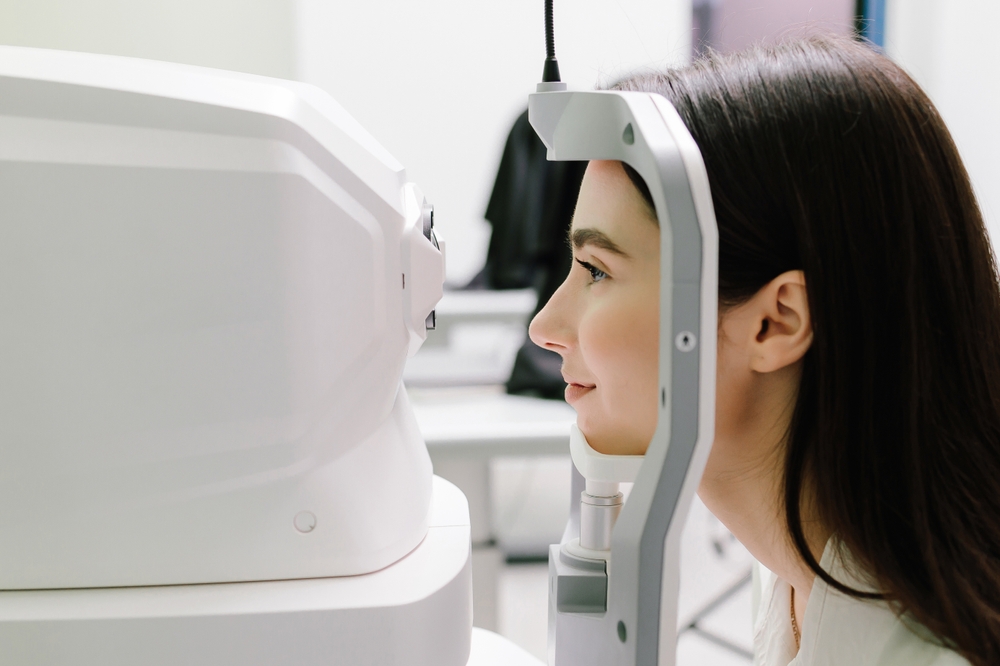
When it comes to protecting your long-term vision, a comprehensive eye exam looks beyond how clearly you see. It also evaluates the health of your retina - the delicate, light-sensitive tissue at the back of your eye that plays a vital role in vision. At Insight Eyecare, advanced technology like the Optomap retinal exam offers a modern approach to examining this critical structure.
What Is an Optomap Retinal Exam?
An Optomap retinal exam is a type of ultra-widefield digital imaging that captures a detailed image of your retina. Using specialized scanning laser technology, the system takes a high-resolution image of the back of your eye in just seconds.
Unlike traditional retinal evaluations that provide a limited view, Optomap can capture up to 200 degrees of the retina in a single image. This wide view allows your eye doctor to assess areas of the retina that may not always be visible with standard examination techniques. The imaging process is quick, non-invasive, and typically does not require dilating eye drops.
How Is Traditional Dilation Different?
Traditional dilation involves placing medicated drops into your eyes to temporarily enlarge (dilate) your pupils. Once your pupils are dilated, your doctor uses lights and lenses to examine the retina and optic nerve.
While dilation remains a valuable diagnostic tool, it does come with temporary side effects, including:
• Light sensitivity
• Blurred near vision
• Difficulty driving for several hours
Dilation also provides a more limited field of view at one time, requiring the doctor to move lenses and lights to see different areas of the retina.
Key Differences Between Optomap and Dilation
• Field of View: Optomap provides a much wider view of the retina in a single image. Traditional dilation offers a narrower view that requires manual examination of multiple areas.
• Comfort and Convenience: Optomap imaging is fast and typically does not require eye drops. Most patients can resume normal activities immediately afterward. Dilation, on the other hand, can cause temporary visual disruption.
• Digital Recordkeeping: Optomap creates a permanent digital image of your retina. This allows your doctor to monitor changes over time, compare images year to year, and detect subtle developments early. Traditional dilation relies more heavily on real-time observation without a comparable widefield image record.
Why Retinal Imaging Matters
Many serious eye conditions develop without noticeable symptoms in their early stages. Diseases such as glaucoma, macular degeneration, retinal tears, and diabetic retinopathy can progress silently.
By capturing detailed images of the retina, Optomap helps your eye doctor detect early signs of disease before vision is affected. Early detection allows for earlier treatment and better long-term outcomes.
Is Optomap a Replacement for Dilation?
In many routine exams, Optomap can reduce or eliminate the need for dilation. However, it is not always a complete replacement. Your eye doctor will determine which method - or combination of methods - is best based on your individual eye health, medical history, and risk factors. At Insight Eyecare, our goal is to provide thorough, comfortable, and technologically advanced care tailored to your needs.
Schedule Your Retinal Exam Today
An Optomap retinal exam offers a fast, comfortable, and highly detailed way to evaluate the health of your retina. Compared to traditional dilation, it provides a wider field of view, immediate digital imaging, and greater convenience for many patients. While dilation still plays an important role in certain cases, Optomap technology enhances early detection and ongoing monitoring of eye health.
Contact Insight Eyecare to schedule your comprehensive eye exam and learn more about the benefits of an Optomap retinal exam. Visit our office in Las Vegas, Nevada, or call (702) 718-7163 to book an appointment today.


Interested in our
Services?
Request appointment with this form to schedule a time with our professional staff!


- Monday8:00 am - 5:00 pm
- Tuesday8:00 am - 5:00 pm
- Wednesday8:00 am - 5:00 pm
- Thursday10:00 am - 7:00 pm
- Friday8:00 am - 5:00 pm
- SaturdayClosed
- SundayClosed
Powered by: 
